
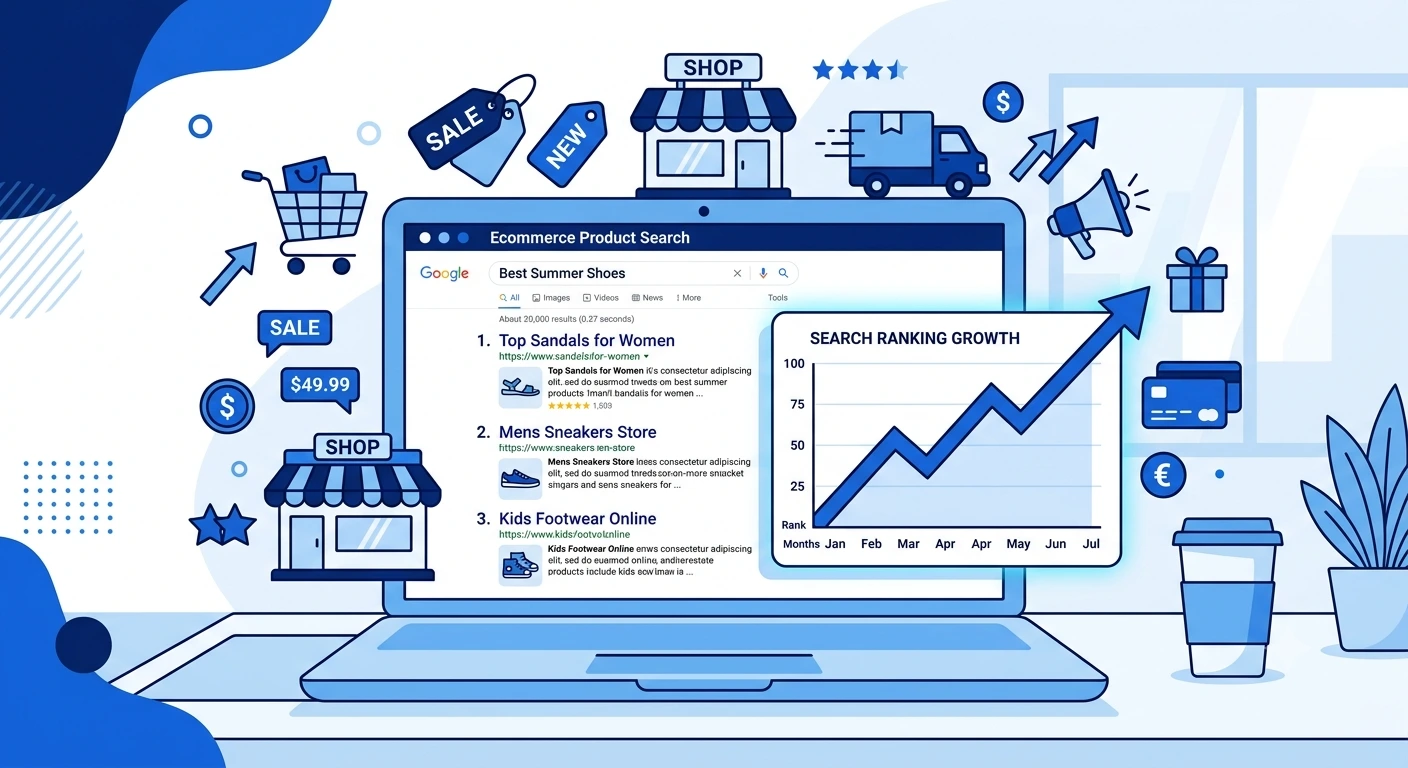
Search visibility remains the backbone of ecommerce growth, and every Google Algorithm Update reshapes how product pages, category listings, and blog content perform in search results. The latest rollout has introduced changes to ranking signals that directly affect online stores built on platforms such as Shopify, WooCommerce, Magento, BigCommerce, Adobe Commerce, and headless commerce architectures. Understanding the shift is essential for maintaining organic traffic, protecting conversion rates, and staying ahead of competitors.
Understanding the Latest Google Algorithm Update
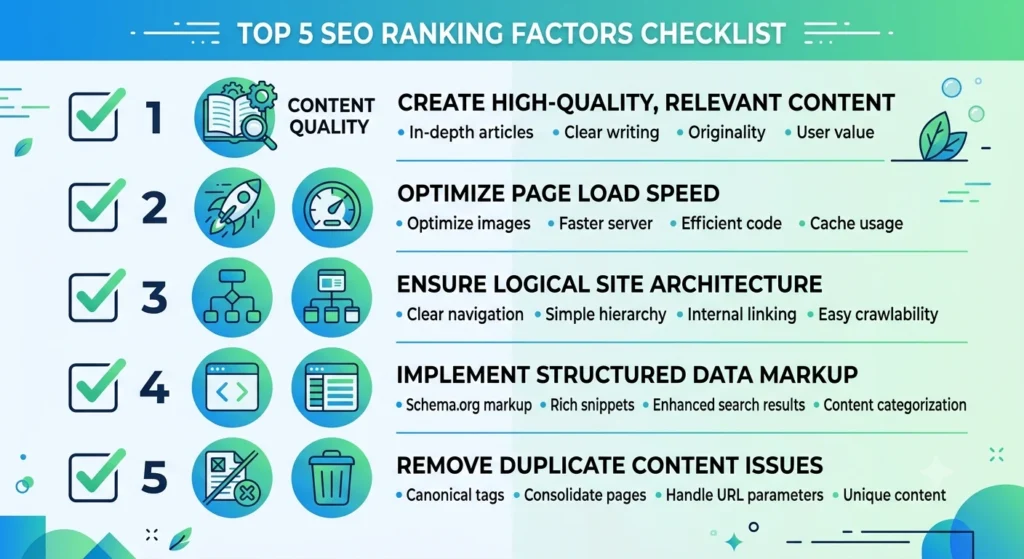
Recent updates from Google place heavier weight on content quality, page experience, and structured data accuracy. Retailers relying on thin product descriptions or duplicate category pages have reported ranking drops, while stores with detailed, unique, and well-structured content have seen improved visibility. The Google Algorithm Update appears to prioritize:
- Helpful, original content over templated or manufacturer-copied descriptions
- Quicker page loads, especially on mobile devices
- Logical internal connections and a clear site architecture
- Accurate structured data for products, reviews, and pricing
- Elimination of low-value, auto-generated pages
Why Ecommerce Sites Are Affected More Than Other Industries
Online stores often contain thousands of near-identical pages variations of the same product, filtered category views, or seasonal duplicates. Search engines have grown stricter about indexing pages that offer little unique value. Following a Google Algorithm Update, category and product pages lacking original descriptions, customer-focused content, or clear navigation tend to lose rankings faster than editorial or blog-driven websites.
Core Ranking Factors Impacted by the Update
Google Algorithm Update: Content Quality and Originality
Product descriptions copied directly from manufacturers or repeated across multiple SKUs are increasingly flagged as low-value. Unique, benefit-driven copy that answers customer questions performs noticeably better after the update.
Page Experience and Core Web Vitals
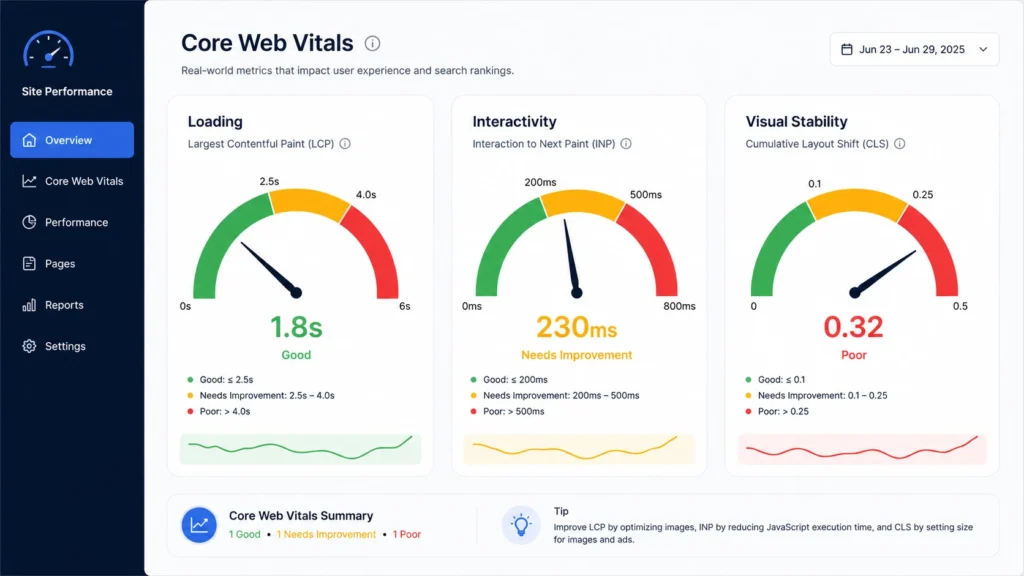
Loading speed, visual stability, and interactivity continue to influence rankings. Stores with heavy, unoptimized image galleries or excessive third-party scripts often experience slower load times, which can suppress visibility in competitive search results.
Structured Data and Rich Results
Accurate schema markup for products, pricing, availability, and reviews helps search engines display rich snippets. Missing or outdated structured data can prevent listings from appearing with star ratings, price ranges, or stock status reducing click-through rates.
Google Algorithm Update: Mobile Usability
With mobile-first indexing firmly established, any friction on smaller screens including cluttered checkout flows or unresponsive menus can lower rankings regardless of desktop performance.
Platform-Specific Impact
Shopify Stores
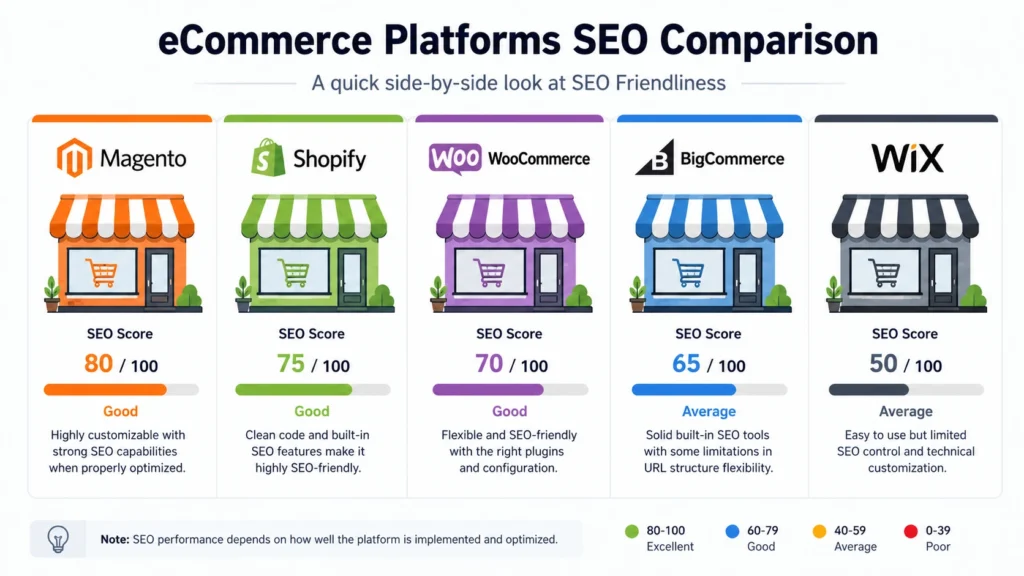
Shopify themes generally handle technical SEO basics well, but stores using excessive apps often accumulate script bloat that slows page speed. Reviewing installed apps, compressing images, and writing original product copy remain the most effective responses to the Google Algorithm Update for Shopify-based catalogs.
Google Algorithm Update: WooCommerce Stores
WooCommerce sites built on WordPress benefit from flexible content control but require careful plugin management. Outdated SEO plugins, unoptimized product images, and duplicate attribute pages are common issues that surfaced after the update. Regular audits of category structure and canonical tags help maintain rankings.
Magento (Adobe Commerce) Stores
Magento and Adobe Commerce platforms power complex catalogs with layered navigation, which can generate large volumes of duplicate URLs through filtering. Canonicalization, proper indexing rules, and server-side rendering improvements are critical for recovering or maintaining rankings after the update.
Google Algorithm Update: BigCommerce Store
BigCommerce’s built-in SEO tools simplify structured data management, but stores with large inventories still face duplicate content risks from variant pages. Consolidating near-duplicate listings and strengthening internal linking between related products has shown measurable improvement.
Headless Commerce Architectures
Headless commerce setups offer speed and flexibility but require deliberate technical SEO implementation, since default CMS-level optimizations are not automatically present. After any significant Google Algorithm Update, server-side rendering, appropriate metadata management via the API layer, and structured data injection become crucial jobs.
Practical Steps for Recovery and Growth
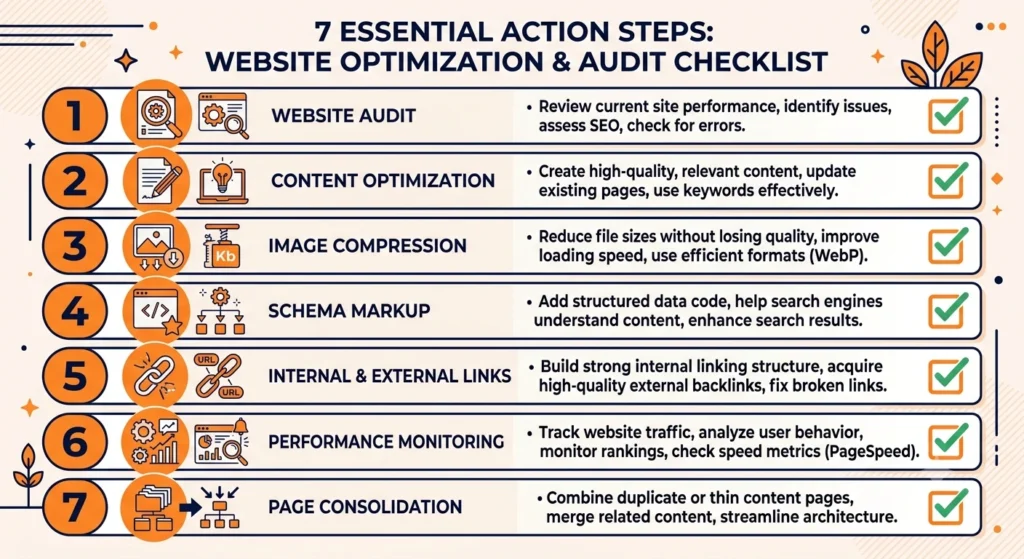
- Audit product and category pages for duplicate or thin content
- Use distinctive, customer-focused language when rewriting the descriptions of popular products.
- Compress images and lazy-load non-critical assets
- Validate structured data using schema testing tools
- Strengthen internal linking between related categories, guides, and products
- Monitor Core Web Vitals reports for recurring performance issues
- Consolidate filtered or faceted URLs that create duplicate indexing
Long-Term SEO Strategy for Ecommerce Platforms
Sustained visibility after a Google Algorithm Update depends on consistent content investment rather than one-time fixes. Publishing original buying guides, comparison articles, and category-specific FAQs supports topical authority. Combining this with technical maintenance clean URL structures, fast load times, and accurate schema creates a foundation resistant to future updates.
Retailers operating across Shopify, WooCommerce, Magento, BigCommerce, Adobe Commerce, or headless commerce frameworks share a common requirement: original, well-structured, fast-loading pages that genuinely serve shopper intent. Platforms differ in technical execution, but the underlying priority set by search algorithms remains consistent across all commerce technologies.
Common Mistakes That Amplify Ranking Losses
Several recurring missteps tend to worsen the impact of a Google Algorithm Update on ecommerce catalogs. Recognizing these patterns early helps prevent prolonged visibility loss.
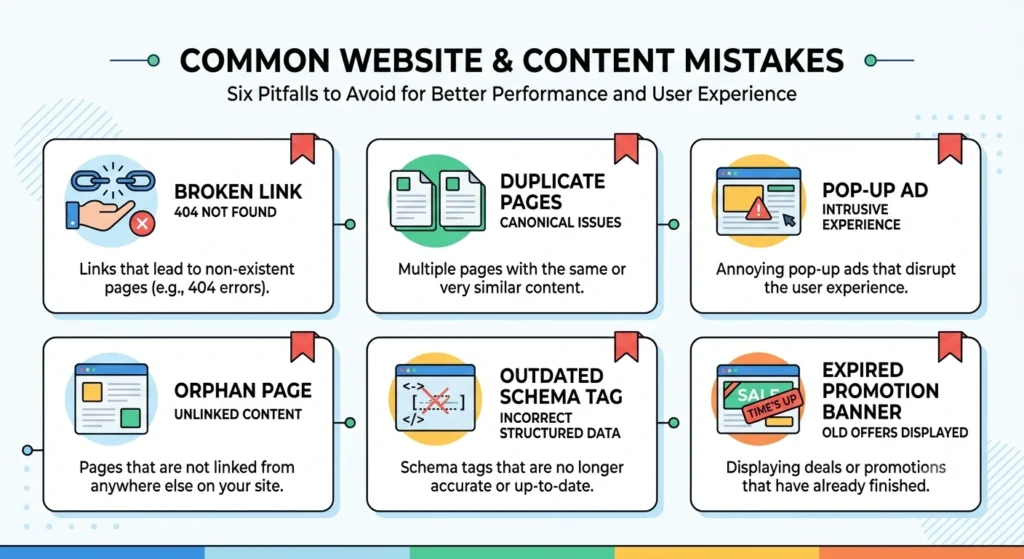
- Relying entirely on manufacturer-supplied product descriptions without rewriting for uniqueness
- Ignoring orphaned pages that receive no internal links and therefore lose crawl priority
- Ignoring pagination and faceted navigation settings, which multiplies duplicate URLs
- Skipping regular audits of broken links, redirect chains, and outdated schema markup
- Publishing seasonal or promotional pages without a clear plan for removal or redirection afterward
- Overloading pages with intrusive pop-ups or interstitials that hurt mobile page experience scores
Tools for Monitoring Algorithm Impact
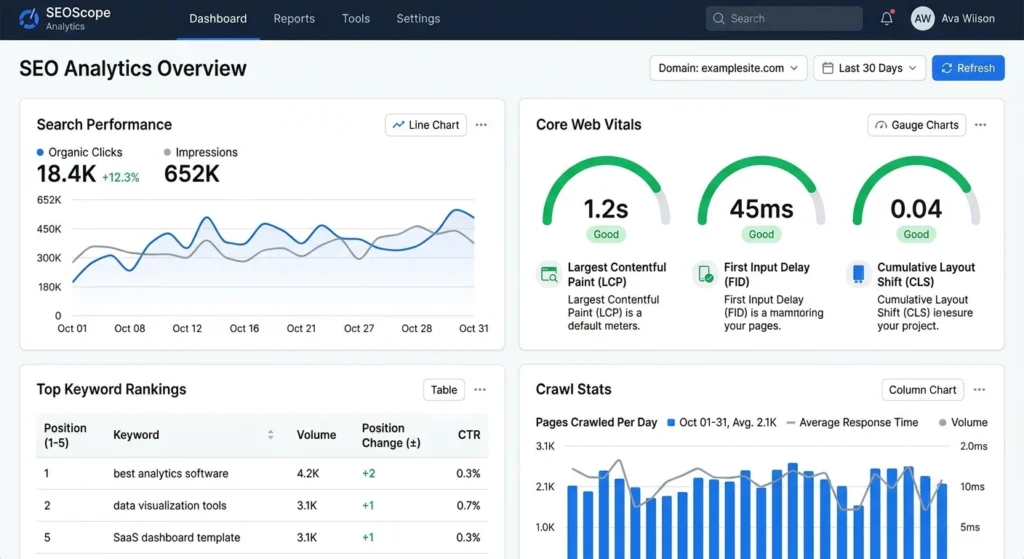
Tracking performance consistently after a Google Algorithm Update allows retailers to separate genuine ranking issues from normal search volatility. A combination of the following tools typically provides sufficient coverage:
- Google Search Console for indexing status, coverage errors, and search performance trends
- PageSpeed Insights for Core Web Vitals scoring on individual product and category pages
- Rich Results Test for validating structured data eligibility
- Log file analysis tools for understanding how frequently search engine crawlers visit key pages
- Rank tracking platforms for monitoring keyword position changes across affected categories
Reviewing these data sources weekly during the first month following an update, then monthly afterward, helps distinguish temporary fluctuations from lasting ranking shifts.
Google Algorithm Update: Frequently Asked Questions
What is the main focus of the latest Google Algorithm Update?
The update emphasizes content originality, page experience, structured data accuracy, and mobile usability, with particular impact on ecommerce category and product pages.
Which ecommerce platforms are most affected by the update?
Shopify, WooCommerce, Magento, Adobe Commerce, BigCommerce, and headless commerce setups are all affected, though the technical response required varies by platform architecture.
How long does recovery take after a ranking drop caused by an algorithm update?
Recovery timelines vary based on the scale of changes implemented, but consistent content and technical improvements typically show measurable results within several weeks to a few months.
Does duplicate content on product variant pages hurt rankings?
Yes, near-identical variant or filtered pages without unique value are commonly flagged, making canonicalization and content differentiation important corrective measures.
Is structured data mandatory for ecommerce SEO after the update?
Structured data is not strictly mandatory but significantly improves the likelihood of rich results such as star ratings and pricing snippets, which directly affects click-through rates.
Can headless commerce sites compete in search rankings without a traditional CMS?
If server-side rendering, metadata management, and structured data are purposefully integrated at the API or front-end layer, headless commerce sites can successfully compete.
Conclusion
The latest Google Algorithm Update confirms a clear direction: search visibility now favors ecommerce pages built around original content, strong technical performance, and accurate structured data rather than volume alone. Retailers on Shopify, WooCommerce, Magento, Adobe Commerce, BigCommerce, and headless commerce frameworks each face distinct technical challenges, yet the underlying priorities genuine content value, fast and stable page experience, and clean site architecture remain constant across every platform. Treating the update as an ongoing standard rather than a one-time fix positions online stores for steadier rankings, stronger organic traffic, and continued resilience through future algorithm changes.